Freemasonry in Lincolnshire – An Introduction
If You Have Found Your Way Here
If you have found your way to this page, something has probably prompted your interest. Perhaps you know someone who is a Freemason and have quietly wondered what it is all about. Maybe you have done some research of your own, or perhaps you are simply curious and are not quite sure what first drew you to the subject.
Whatever the reason, asking the question is the perfect way to start.
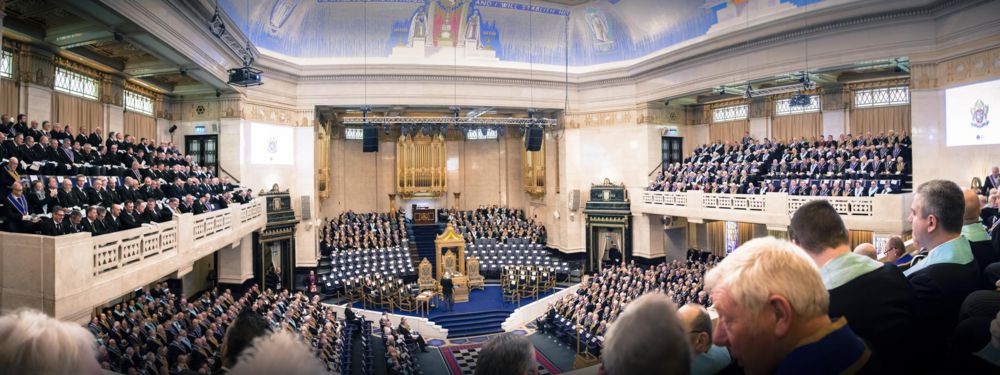
Freemasonry in Lincolnshire is active and thriving. Our Province stretches from the Humber bank in the north to The Wash in the south, and from the River Trent in the west to the coast in the east. In that area almost 3,000 members meet in 21 centres. All welcome new members and uphold the traditions that have shaped Freemasonry for more than 300 years.
On this page we want to offer an honest and straightforward introduction to what becoming a Freemason involves, what you can expect when you join, and why men across Lincolnshire continue to choose Freemasonry as something meaningful to be part of.
What Is Craft Freemasonry?
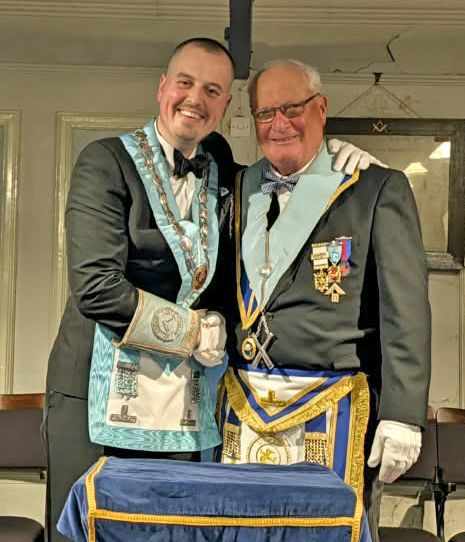
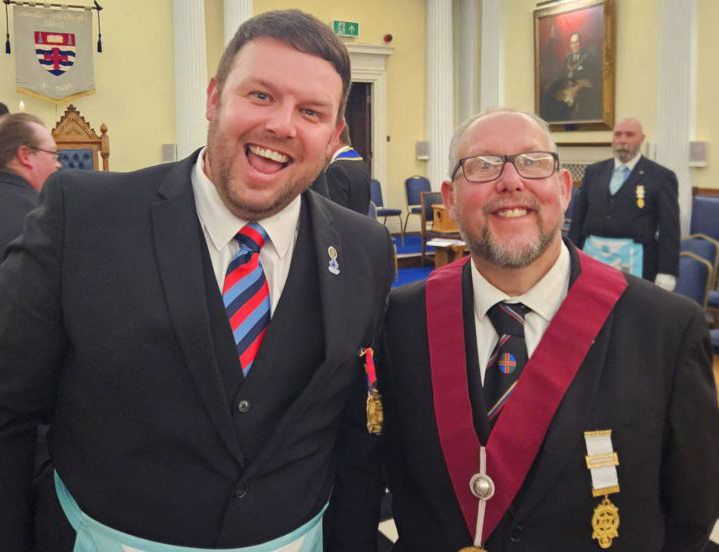
Every Freemason begins his journey in what’s known as a Craft Lodge. It involves three degrees, each building upon the one before it. Together, these three degrees form the foundation of the Masonic experience. There are other steps which can be taken, which can be explained later – we wouldn’t want to overload you with information at this early stage!
The degrees are experienced through ritual and ceremony. This may sound formal, but it’s done that way for a reason. The ceremonies have been developed and refined over centuries and communicate moral and philosophical lessons. In short, they teach you how to be the best version of yourself – and have fun along the way.
This approach encourages each man to think, reflect and draw his own understanding from the experience rather than simply being told what he should believe or conclude.
The ritual is learned and performed by Lodge members, meaning that nobody is merely a passive observer. You’ll be encouraged to take part in the ceremonies, but only at your own pace. We don’t pressure people to step outside their comfort zone, but it’s far to say that you’ll never experience and more supportive audience. Everyone involved is keen for you to do well.
That shared experience and participation is an important part of the fellowship and sense of brotherhood for which Craft Freemasonry is known.
Closely associated with Craft Freemasonry is a further order called The Royal Arch. Craft Freemasonry introduces fundamental principles and establishes the foundations of the Masonic story; the Royal Arch develops those themes further. It explores ideas of discovery, rediscovery and the finding of something significant that was once thought to have been lost.
For many Freemasons, the Royal Arch ceremony is seen as one of the most significant and memorable experiences within Freemasonry. Those who have experienced it often describe it as providing an additional perspective on the lessons and themes encountered during the earlier degrees.
In Lincolnshire, Royal Arch Chapters are active and well supported. The relationship between a member’s Craft Lodge and his Royal Arch Chapter is an important one, with the Provincial structures of Craft Freemasonry and the Royal Arch working closely together, alongside the wider Masonic community in the county.
The History of Freemasonry in Lincolnshire
Freemasonry has deep roots in Lincolnshire. The county has been home to active Lodges for well over 150 years, and the traditions of Lincolnshire Freemasonry reflect that long history.
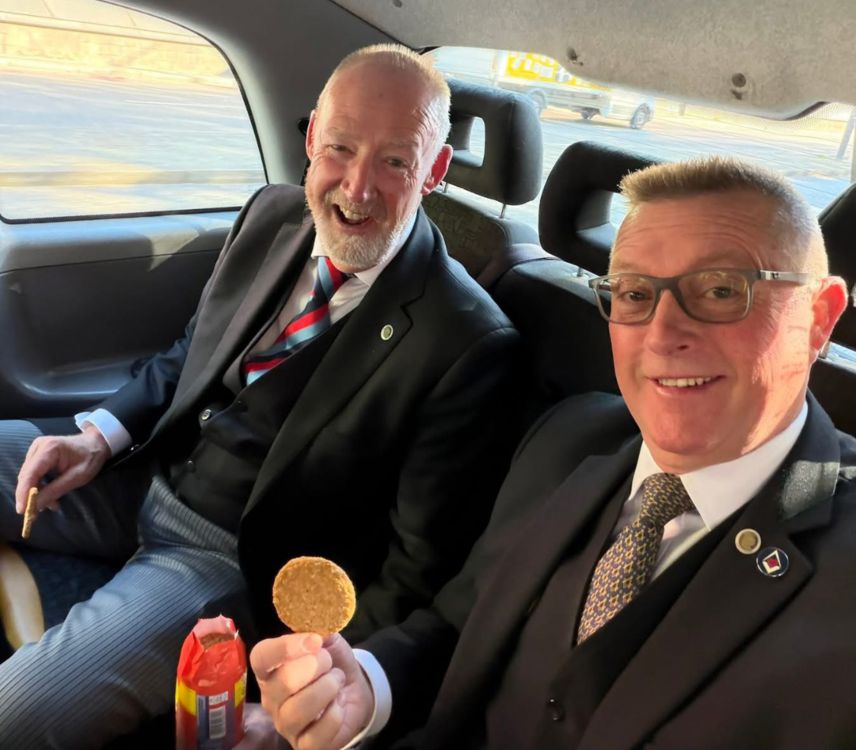
Over the generations, men from every part of the county and from many different walks of life have passed through its Lodges. Builders and businessmen, teachers and tradesmen, doctors and farmers have all shared the same Masonic experience.
What connects them is not their profession, social background or position in life. It is the shared experience of the degrees and a common commitment to the principles and values that Freemasonry asks of its members.
That continuity is important. When you join a Craft Lodge in Lincolnshire, you are becoming part of something that has been developing its character and traditions for generations.
The Lodge room in which you sit may have welcomed generations of men before you. Being part of that continuing story can create a powerful sense of connection to something larger than your own individual experience.
For many, that is an important part of what gives Freemasonry in Lincolnshire its character and sense of permanence.
What Does Freemasonry Ask of You?
It is important to be straightforward about this because honesty is important. Freemasonry does involve commitment. The expectations are neither unreasonable nor overwhelming, but they are genuine.
Members are expected to be men of good character. Nobody is expected to be perfect, but members should be genuinely committed to living by principles such as honesty, integrity and consideration for others.
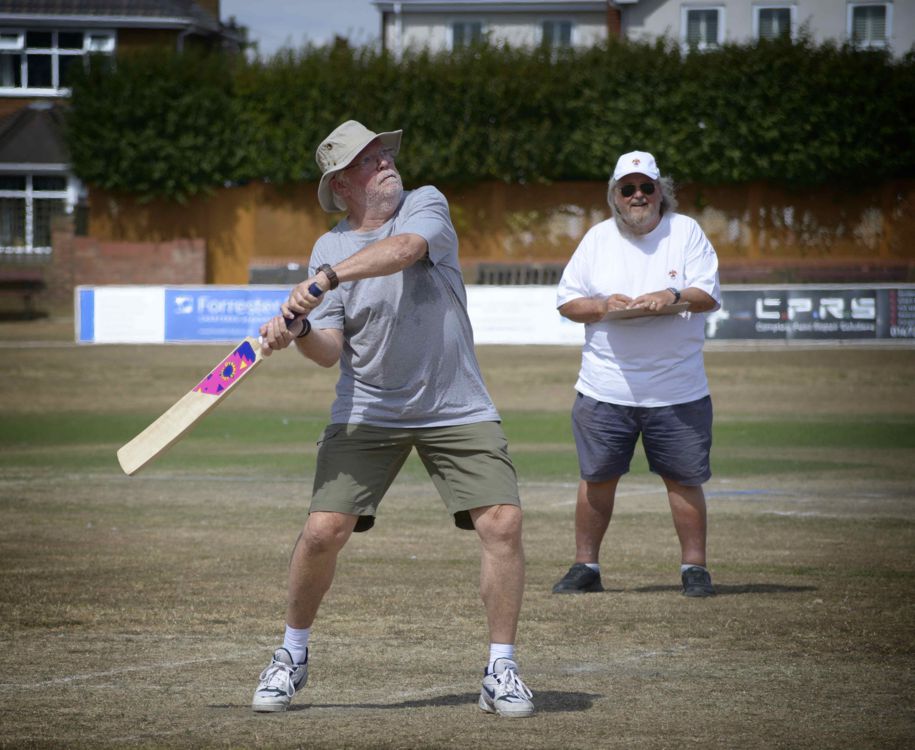
Freemasonry also asks members to attend their Lodge with reasonable regularity, take part in its ritual and activities, accept their responsibilities towards their fellow members, and enjoy the many and varied social events, which provide an opportunity for friends anfd family to become involved too.
There is also a strong tradition of community service and charitable giving, with members contributing to charitable work, though we encourage members not to commit themselves beyond their means.
For most members, these commitments are not particularly onerous. Many find that Freemasonry simply provides greater structure and a supportive community around values they were already trying to live by.
The Practical Commitment
Lodge meetings take place once a month, with most Craft Lodges in Lincolnshire meeting between four to nine times each year. That said, it’s possible to visit other Lodges, and this is encouraged, enabling members to see other Lodges and centres, broadening friendship circles in the process.
There is an annual subscription, which varies from Lodge to Lodge, together with the cost of the meal or festive board that follows most meetings. This provides the opportunity to socialise after the more formal part of the evening.
These are practical considerations that anyone thinking about joining should understand. We have a membership structure offering the opportunity for anyone considering membership to understand more about us, and to decide if we are right for each other before committing to membership. We’re ready have an open and honest conversation with prospective members about the financial and time commitments involved, so there should be no uncertainty about what membership entails.
What Can Freemasonry Give You?
The benefits of becoming a Freemason can be broader than many initially expect.
Fellowship
At its heart is genuine fellowship with men from different backgrounds, professions and walks of life whom you might otherwise never have met.
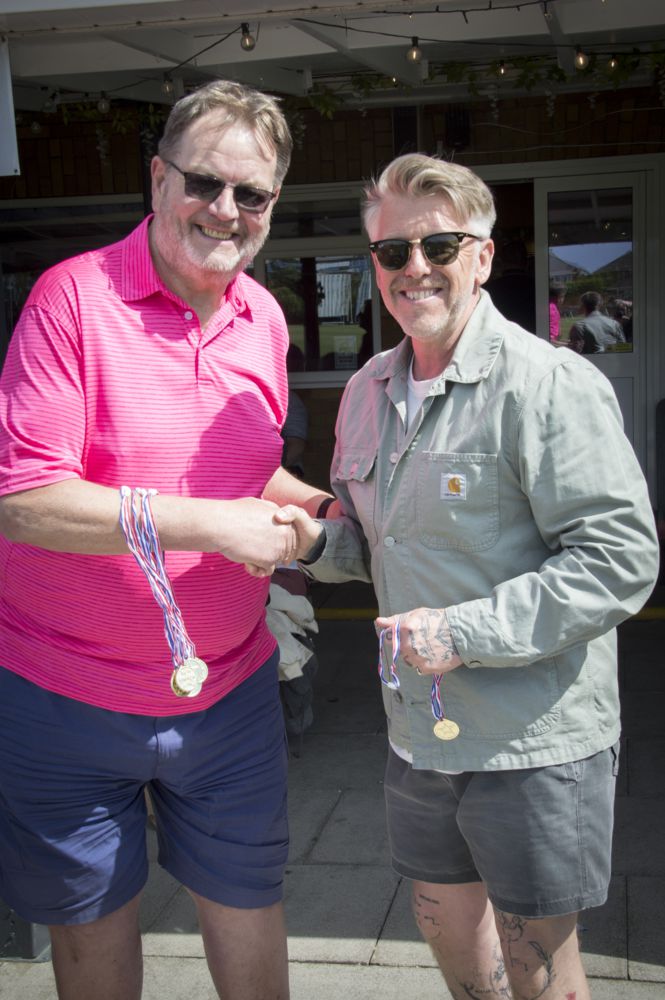
The conversations that take place around the festive board after a Lodge meeting can be particularly rewarding. Men who may have been strangers at the beginning of an evening can find themselves talking openly, discovering common interests and developing friendships in an atmosphere that can be difficult to find elsewhere.
An Opportunity for Reflection
Freemasonry also provides a framework for considering some of life’s bigger questions.
How should we live? What really matters? What sort of man do we want to be?
Freemasonry does not prescribe simple answers to these questions. Instead, it provides an environment in which they can be explored and considered alongside other men who are reflecting on similar ideas.
Service
Service and charitable giving have been an important part of Freemasonry for centuries.
Across the country, Freemasonry has supported hospitals, schools, hospices and community organisations over many generations. That tradition continues today, including within Lincolnshire.
Being a Freemason therefore means becoming part of something that extends beyond the Lodge room and can make a tangible difference to people and communities who benefit from charitable support.
A Sense of Belonging
Perhaps most simply, Freemasonry can provide a place to belong.
That may sound straightforward, but it can be significant. Having a group of people who share important values, who take an interest in one another and who are genuinely pleased to see you can provide a strong sense of community.
For many men, that sense of belonging is one of the most rewarding aspects of membership.
Who Can Join Freemasonry in Lincolnshire?
The basic requirements are straightforward.
You need to be an adult man of good character and have a belief in a Supreme Being. Freemasonry is not a religion and does not prescribe what form that belief should take, but belief in a higher moral order is an important part of its principles.
Most importantly, you must come of your own free will. Nobody should be pressured, persuaded through inducement or made to feel that they have to join.
Beyond those requirements, Freemasonry is open to men from a wide range of backgrounds.
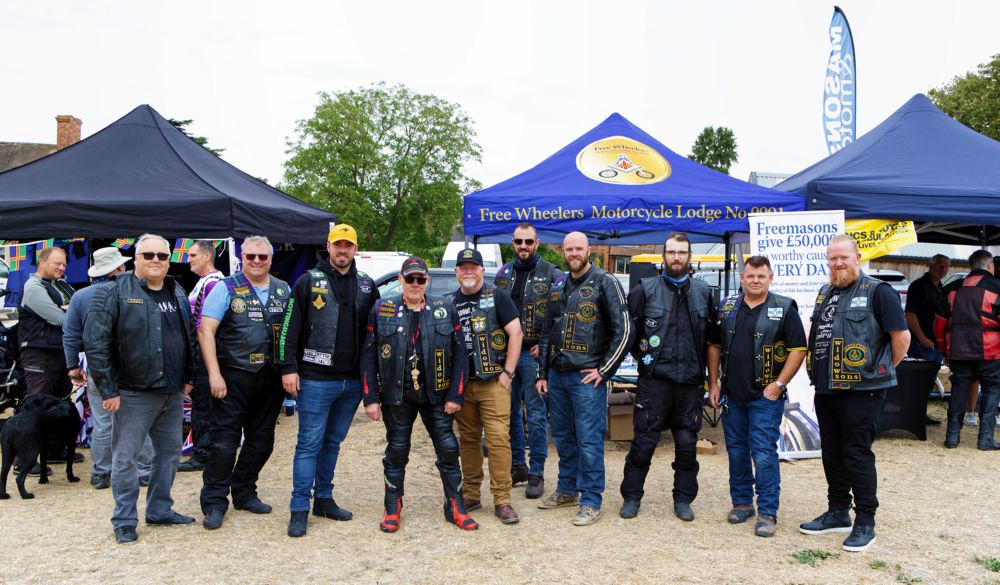
There is no particular profession that qualifies you for membership, nor is there a specific social background, educational level or income requirement. Lincolnshire Lodges draw their members from across the county and from many different walks of life. That diversity is one of our strengths.
(We should point out that women have been Freemasons too, for more than 100 years. There are two women-only organisations. Just one has Lodges in Lincolnshire, with members of the Order of Women Freemasons meeting in Grimsby, Scunthorpe, and Lincoln).
Age and Experience
Age does not have to be a barrier, but prospective members must be at least 18.
Men may join in their twenties, while others discover Freemasonry later in life. Both can bring something valuable to a Lodge.
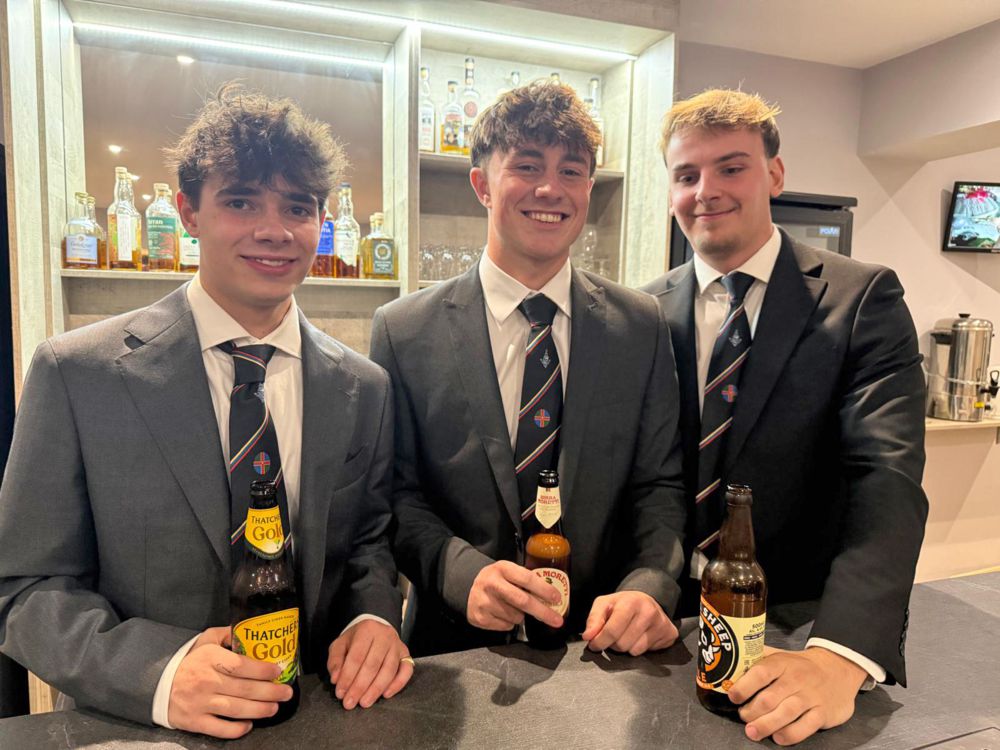
Younger members can contribute new energy, ideas and perspectives, while those who join later in life can bring a wealth of personal and professional experience.
A Lodge benefits from both.
Taking the First Step into Freemasonry in Lincolnshire
If you are seriously considering becoming a Freemason, the best place to start is with a conversation.
There is no need for this to be a formal application or an immediate commitment. It is simply an opportunity to speak to someone who can answer your questions honestly and give you a clearer understanding of what becoming a Freemason would involve.
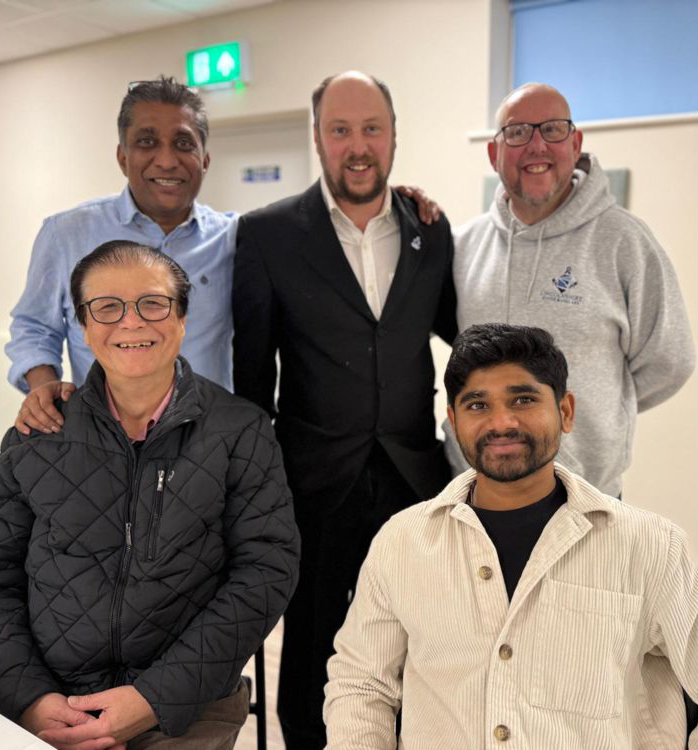
Lincolnshire Freemasonry welcomes enquiries from men who are interested in finding out more. Lodges meet across the county throughout the year, and there are people within the Provincial structure whose role is to help prospective members find a Lodge that is appropriate for them and to guide them through the process.
Talk to a Freemason, if you know one. If you don’t, that’s no problem; we have a Provincial Membership Officer who’d be pleased to hear from you. Drop him an email to pmolincs@gmail.com. He’ll put you in touch with someone in your area who can help. Or you might like to visit www.lincolnshirefreemasons.org where you’ll find a wealth of information. There’s no obligation!
A Brotherhood That Has Stood the Test of Time
Freemasonry has strong traditions but has taken great strides to stay relevant in the fast-moving world of the 21st century. It nevertheless stands by four basic principles that will always hold true – integrity, friendship, respect, and service.
We believe that how a man conducts himself is important, and that belonging to a community of men who share certain standards and values has genuine worth.
For Freemasonry, these principles will never become outdated. They remain central to its identity and to the experience it seeks to offer its members.
In a world that can sometimes feel fragmented and impersonal, the opportunity to build genuine friendships within a community based on shared values and commitment can be meaningful.
Lincolnshire Freemasonry has provided that opportunity for generations, and it continues to do so today.
If you want to find out more, ask the question. You will discover that the door is open, the conversation is welcoming, and that taking the first step leads to something life-changing and worthwhile.